The Zone diet and intermittent fasting are two of the most searched eating approaches, and they are often compared. But they answer different questions: the Zone diet is about what you put on your plate, while intermittent fasting is about when you eat. This guide explains how each one works, where they differ, who each might suit, and whether you can combine them.
What is the Zone diet?
The Zone diet was created by biochemist Dr. Barry Sears and became popular through his 1995 book The Zone. Its core idea is balance at every meal and snack:
- About 40% of calories from carbohydrates, mostly low-glycemic choices such as vegetables, fruit and some whole grains
- About 30% from protein, from lean sources such as chicken, fish, egg whites and tofu
- About 30% from fat, mostly unsaturated, such as olive oil, avocado and nuts
The goal is to keep blood sugar and hunger steady through the day by pairing carbohydrates with protein and fat every time you eat. People usually eat three meals and two small snacks, with no more than about five hours between them.
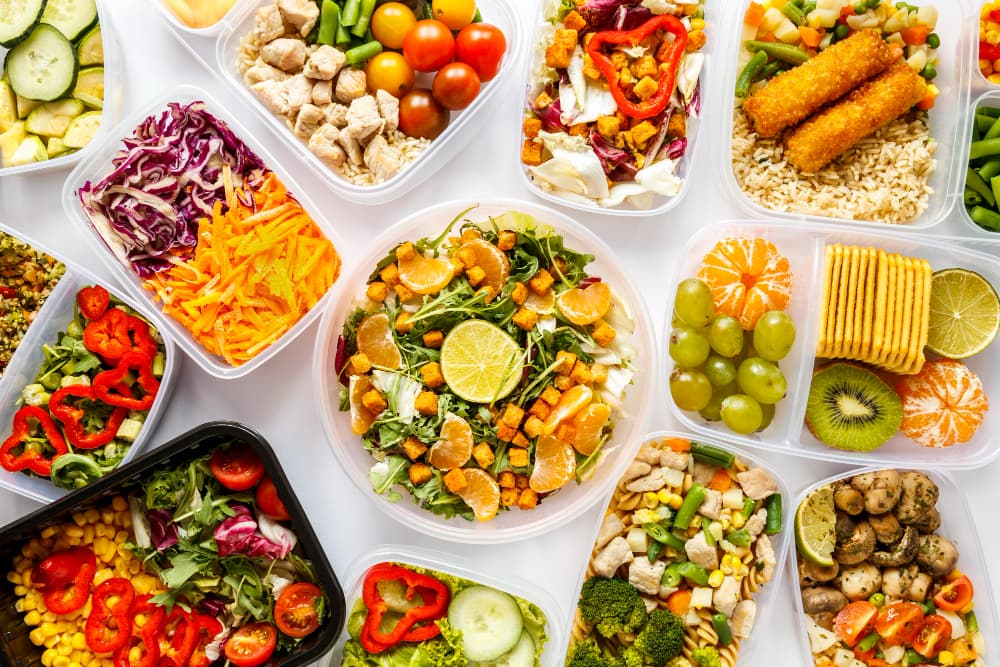
You don't have to count every gram. A popular shortcut is the hand-eye method: fill about a third of your plate with lean protein roughly the size and thickness of your palm, fill the remaining two-thirds with colorful vegetables and some fruit, and add a small amount of healthy fat.
What is intermittent fasting?
Intermittent fasting (IF) doesn't tell you which foods to eat. It sets when you eat by alternating eating periods with fasting periods. The most common methods are:
- 16:8: fast for 16 hours and eat within an 8-hour window, for example 12 pm to 8 pm
- 5:2: eat normally five days a week and eat much less on two non-consecutive days
- Eat-stop-eat: one or two 24-hour fasts per week
During the fasting window you drink water, black coffee or plain tea. Many people find IF simple because there are fewer meals to plan. For a closer look at what happens in the body during a fast, see our fasting timeline.
Zone diet vs intermittent fasting at a glance
Zone diet
- Main focus: what you eat (macronutrient balance)
- Meals per day: three meals and two snacks
- Food rules: about 40% carbs, 30% protein, 30% fat
- Planning effort: higher, since you balance each meal
- Main challenge: building balanced meals every time
Intermittent fasting
- Main focus: when you eat (your eating window)
- Meals per day: often two or three meals inside the window
- Food rules: none by default
- Planning effort: lower, since you mostly watch the clock
- Main challenge: sticking to the window at work and socially
How they compare for weight loss
Both approaches can support weight loss, and for most people it comes down to the same thing: eating fewer calories than you burn, in a way you can keep up.
- The Zone diet tends to reduce calories through portion control and filling, protein-rich meals. The steady meal rhythm suits people who get very hungry or irritable between meals.
- Intermittent fasting tends to reduce calories by shortening the time available to eat. It suits people who don't mind skipping breakfast or who like fewer, larger meals.
Research on the Zone diet specifically is limited, and studies comparing intermittent fasting with ordinary calorie reduction generally find similar weight loss. In practice, the best approach is the one you can stick with.
Pros and cons
Zone diet
- Pro: balanced meals with protein, vegetables and healthy fats every time
- Pro: regular meals can help with steady energy and fewer cravings
- Pro: no foods are completely off-limits
- Con: takes planning to balance each meal
- Con: five eating occasions a day can be hard on a busy schedule
Intermittent fasting
- Pro: simple rules and fewer meals to plan
- Pro: works with almost any food style
- Pro: can fit well around a busy workday
- Con: hunger and low energy are common in the first weeks
- Con: it's easy to overeat or eat poorly once the window opens
- Con: not suitable for everyone, including people with a history of disordered eating, pregnant or breastfeeding women, and some people on medication, so check with your doctor first
Can you combine the Zone diet and intermittent fasting?
Yes, and many people do. Because one sets what you eat and the other sets when, they can work together:
- Pick an eating window that fits your day, such as 16:8 from 11 am to 7 pm.
- Eat two or three balanced Zone-style meals inside that window, each with lean protein, plenty of vegetables, some fruit or whole grains, and a little healthy fat.
- Break your fast with a balanced meal rather than something sugary, to help avoid an energy crash.
The combination keeps the simplicity of an eating window while making sure the meals you do eat are nourishing.
How the Zone diet compares with keto, paleo and pescatarian
Zone vs keto. Keto keeps carbohydrates very low, often around 5–10% of calories, and fat high. The Zone diet keeps carbohydrates at about 40%. If cutting carbs is your main goal, see our keto meal plan.
Zone vs paleo. Paleo is about the type of food: it limits grains, legumes, dairy and processed foods but doesn't set ratios, so you can eat paleo foods in Zone-style proportions. See our paleo meal plan.
Zone vs pescatarian. Pescatarian describes your protein sources (seafood instead of meat), not your macro balance, so the two fit together easily with fish as the protein. See our pescatarian meal plan.
Zone diet and gluten-free. The Zone diet doesn't require grains, so it can be followed gluten-free by choosing vegetables, fruit and gluten-free grains for carbohydrates. See our gluten-free meal plan.
Which one is right for you?
The Zone diet may suit you if you:
- Get hungry, tired or irritable when you go a long time without eating
- Like eating regular meals and snacks
- Want a clear structure for building balanced plates
Intermittent fasting may suit you if you:
- Aren't hungry in the morning, or prefer fewer, larger meals
- Want simple rules without tracking food
- Have a predictable daily schedule
If you can't decide, try one approach for a few weeks, notice your energy, hunger and mood, and adjust. Many people end up with a mix: a comfortable eating window and balanced meals.
Making either approach easier
The hardest part of both is the same: having balanced food ready when it's time to eat. That's where prepared meals help. Zone Healthy delivers chef-prepared meals, ready to heat, across Los Angeles County, Orange County and San Diego County, so you can follow your eating window or balance your plate without cooking every meal.
- Prefer a plan? Browse our meal plans, including keto, paleo, pescatarian and gluten-free options.
- Prefer to choose each dish? Pick individual meals with Zone Select.
Frequently asked questions
Is the Zone diet the same as intermittent fasting?
No. The Zone diet balances what you eat (about 40% carbohydrates, 30% protein and 30% fat), while intermittent fasting limits when you eat. You can follow either one, or both together.
Which is better for weight loss, the Zone diet or intermittent fasting?
Both can work. Studies generally find intermittent fasting gives similar weight loss to ordinary calorie reduction, and evidence on the Zone diet specifically is limited. The best choice is the one you can keep up.
Can I do intermittent fasting on the Zone diet?
Yes. Choose an eating window, such as 16:8, and make each meal inside it a balanced Zone-style plate.
What does a Zone diet meal look like?
A palm-sized portion of lean protein covering about a third of the plate, the rest filled with vegetables and some fruit or whole grains, plus a little healthy fat such as olive oil, avocado or nuts.
Is the Zone diet low-carb?
Not really. At about 40% of calories, its carbohydrate share is lower than a typical diet but much higher than keto.
Not medical adviceThe information provided in this article is for general informational purposes only and is not intended as medical advice, diagnosis, or treatment. Individual nutritional needs and results vary. Consult a qualified healthcare professional regarding your individual health or dietary needs.